17 May 2019
Virtual reality putting crash survivors back behind the wheel
From immersive games to high-tech training, the variety of virtual reality (VR) applications is exploding. Can VR also help those who experience the psychological trauma of a motor vehicle accident? One form of therapy is using VR to help them overcome fears and start driving confidently again.
From immersive games to high-tech training, the variety of virtual reality (VR) applications is exploding. Can VR also help those who experience the psychological trauma of a motor vehicle accident? One form of therapy is using VR to help them overcome fears and start driving confidently again.
Injuries beneath the surface
Most people experience or witness a motor vehicle accident by the age of 30. For many crash survivors, the effects go far beyond their physical injuries. “After the accident, it’s common for people to experience mental health consequences like post-traumatic stress disorder (PTSD) or driving phobia,” says Darren Hunter, TAC project lead (health programs). “These can have a dramatic impact on the person’s independence and quality of life long after they’ve recovered from their physical injuries.”
Characterised by powerful feelings of fear and helplessness, PTSD impacts between 7 and 23% of those involved in a motor vehicle accident. Without treatment, 23% of these individuals will report PTSD three months after the accident, 16% one year after, and 11% three years after.
Separate to PTSD is driving phobia: an intense, persistent fear of driving. For 24% of survivors, driving phobia lasts three months after the accident. It doesn’t usually disappear with time alone and can become chronic if left untreated. Many people with driving phobia never return to driving. They rely on others for transportation, reducing their independence and mobility. Those who do drive again often display dysfunctional and risky driving behaviours. They overcompensate as they seek to protect themselves from unpredictable dangers.
Virtual reality as therapy
To address these conditions, the most widely accepted form of therapy is cognitive behaviour therapy (CBT). This helps a person identify and challenge unhelpful thoughts. A person learns how their thinking impacts their mood and develops strategies to think less negatively.
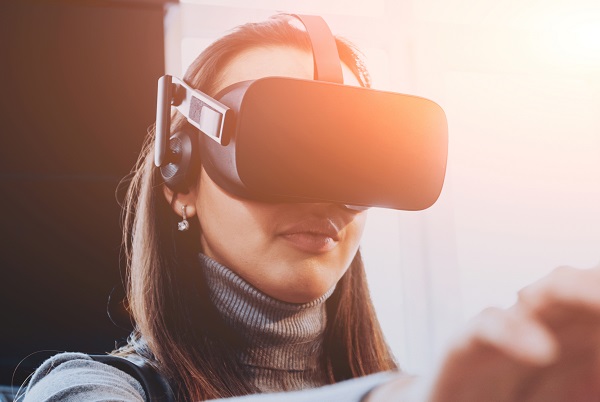
An emerging therapy is using CBT in conjunction with virtual reality, an approach called Virtual Reality Exposure Therapy (VRET). The patient wears virtual reality glasses that mimic the driving experience – from sitting in the driver’s seat to engaging in busy city traffic. In the immersive environment, participants are supported by a therapist/psychologist as they engage with various driving conditions. Anxiety levels are measured by sensors placed on the body and fingertips, along with observations made by the healthcare professional.
Over time, the patient is able to use the VR experience to confront their driving fears and control their symptoms. They become more comfortable in a driving environment and learn to replace their fear with calm.
Initial indications are that the therapy is highly effective. VRET for driving phobia boasts a success rate of 95% across current studies. This evidence demonstrates that VRET can produce the same outcomes as real-world driving exposure therapy. VRET achieves high patient satisfaction, reduces mental health symptoms and generates few side effects like cybersickness.
VRET also removes the physical risks of traditional treatment. “It’s much safer alternative,” says Darren. “The patient and therapist can work through fears in a controlled environment. They can avoid actual driving, with a therapist in the passenger seat, until the patient is better prepared. Instead of exposing them right away to the hazards of the real world, therapy can start in the virtual one.”
Looking to the future
VRET is one of many technology solutions we’re investigating. We want to hear from you if you have experience with VRET, would like more information about VRET or have successfully adopted other new technologies. Contact us at stakeholder_communications@tac.vic.gov.au

